Village Travel provides disaster relief transportation for emergency evacuations, hurricane response, utility crews, tree crews, emergency workers, community relocation, and post-storm support.
When severe weather or a natural disaster creates urgent transportation needs, timing matters. As a result, organizations need a transportation partner that can help move people safely, efficiently, and professionally. Village Travel supports emergency transportation plans for public agencies, private companies, relief organizations, utility providers, and response teams.
Emergency transportation support. Professional drivers. Charter buses and Executive Sleeper coaches for disaster response needs.
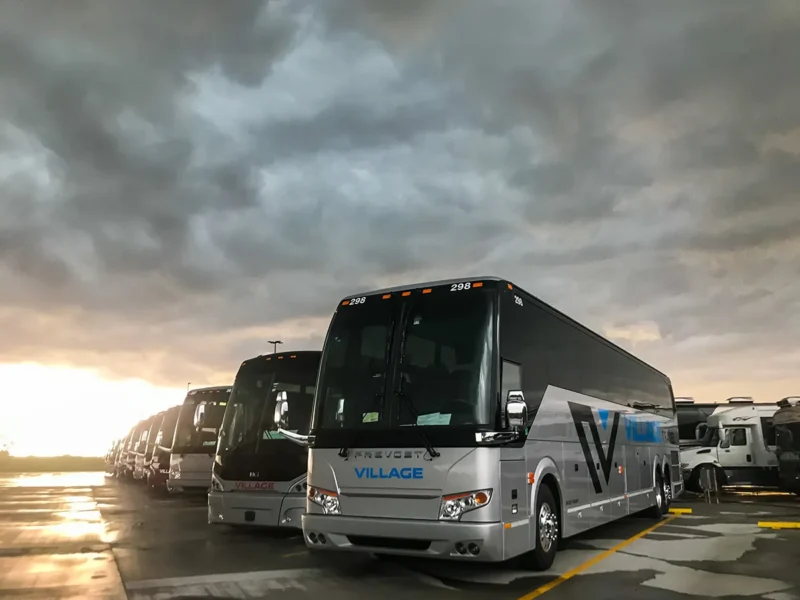
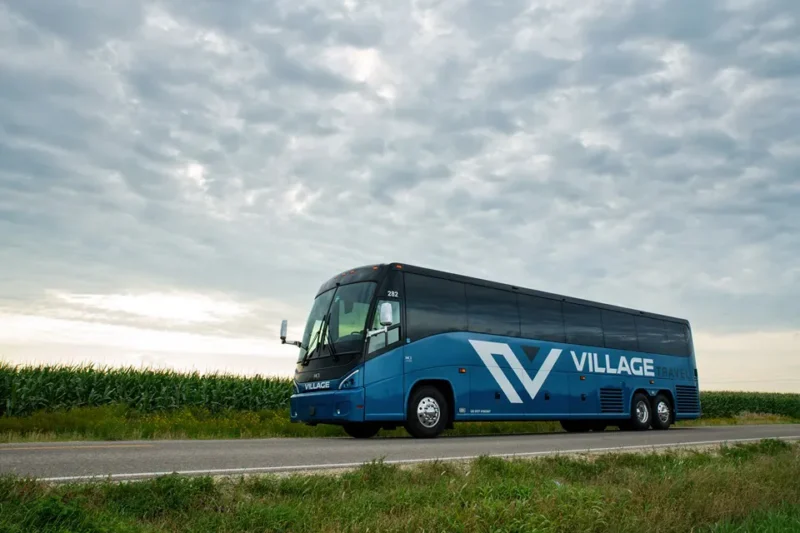
Emergency Transportation for Disaster Relief and Evacuation Support
Disaster response often requires fast, organized transportation. Communities may need evacuation support before a storm. Afterward, utility crews, tree companies, contractors, and relief workers may need to reach affected areas.
Village Travel helps coordinate disaster relief transportation for situations where buses, motorcoaches, and Executive Sleeper coaches are needed to support emergency movement. In addition, our team can help review pickup points, staging areas, passenger counts, routes, schedules, and deployment needs.
Because each emergency is different, transportation plans may need to change quickly. However, having the right partner can make response efforts more organized and easier to manage.
For broader group transportation needs, Village Travel also provides charter bus services for agencies, companies, organizations, and large groups.
Disaster Relief Transportation Services We Support
Village Travel provides transportation support for several types of emergency, disaster relief, and response situations.
Emergency Evacuation Transportation
Charter bus transportation for evacuations, community relocation, emergency movement, and planned transportation before severe weather events.
Hurricane Response Transportation
Transportation support before and after hurricanes, especially for regions where evacuation, relocation, or response crew movement may be needed.
Utility Crew Transportation
Motorcoach and Executive Sleeper transportation for electric companies, line crews, tree crews, contractors, and support teams responding after a storm.
Post-Storm Recovery Transportation
Transportation for workers, relief teams, cleanup crews, and support personnel traveling to communities affected by severe weather.
Emergency Workforce Transportation
Temporary transportation for emergency staff, public agency teams, relief workers, and response personnel who need to move between staging areas, hotels, worksites, and affected locations.
Executive Sleeper Support
Executive Sleeper coaches, with seats that recline farther than other seats in the fleet, may be available for select response situations where crews need additional rest comfort during long deployments.
Emergency Evacuation Transportation
Evacuation transportation can be needed before hurricanes, floods, wildfires, tornadoes, or other emergency events. In these situations, safe and organized movement is essential.
Village Travel can support emergency evacuation transportation for agencies, organizations, communities, and groups that need charter buses for relocation or planned movement. Depending on the situation, transportation may involve moving people from high-risk areas to safer locations, shelters, staging areas, or designated pickup points.
Additionally, evacuation plans may require clear timing and route coordination. Village Travel can help review details such as passenger count, pickup locations, destination points, accessibility needs, and schedule requirements.
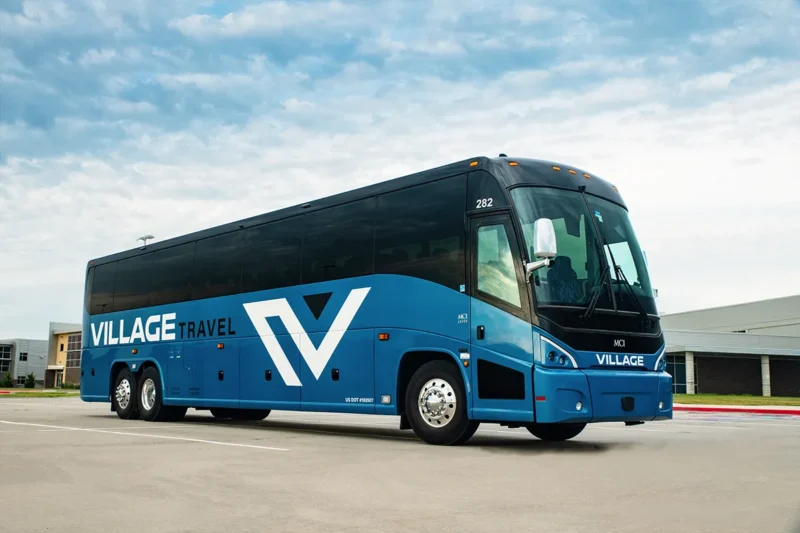
Hurricane Transportation and Storm Response Support
Hurricanes can create major transportation needs before and after landfall. Before a storm, communities may need evacuation support. After a storm, response crews may need transportation into affected areas.
Village Travel can support hurricane transportation for evacuation planning, post-storm response, and recovery operations. This can be especially important in areas such as Texas and Louisiana, where hurricane-related transportation needs are more common.
After severe weather, electric companies, tree companies, utility contractors, and emergency support teams may need to move workers quickly and efficiently. Therefore, organized group transportation can help response teams reach the right areas while reducing the need for many personal or company vehicles.
Utility, Tree Crew, and Recovery Worker Transportation
Post-storm recovery often depends on getting workers into affected communities. However, roads, lodging, parking, and staging areas can be difficult to manage after a disaster.
Village Travel can help coordinate transportation for:
- Electric utility crews
- Line workers
- Tree crews
- Debris removal teams
- Emergency contractors
- Relief workers
- Support personnel
- Public agency response teams
In many cases, these crews may need transportation between hotels, staging areas, command centers, work zones, and impacted communities. As a result, buses and motorcoaches can help keep teams together and make deployment more efficient.
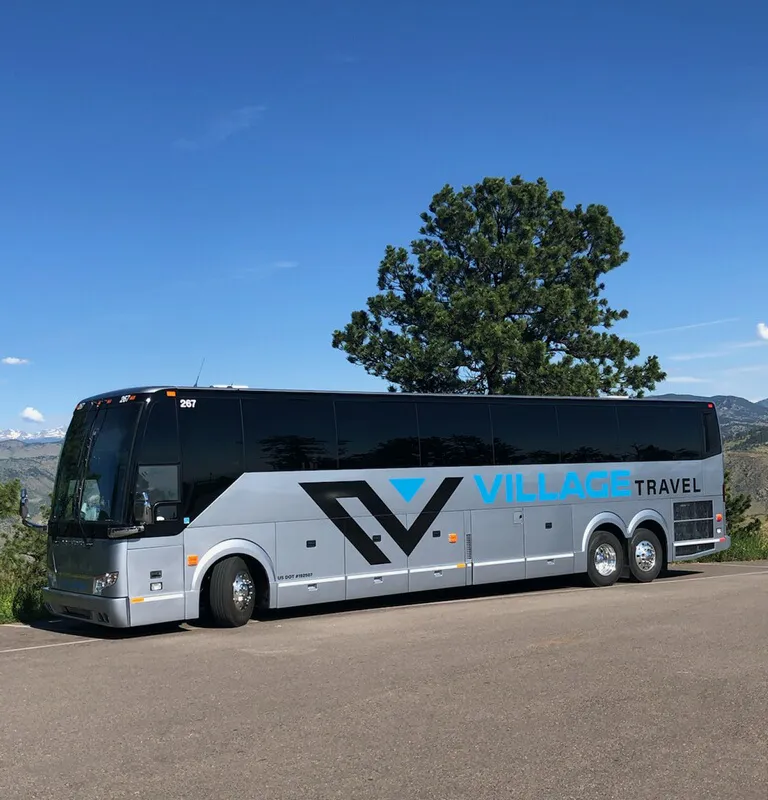
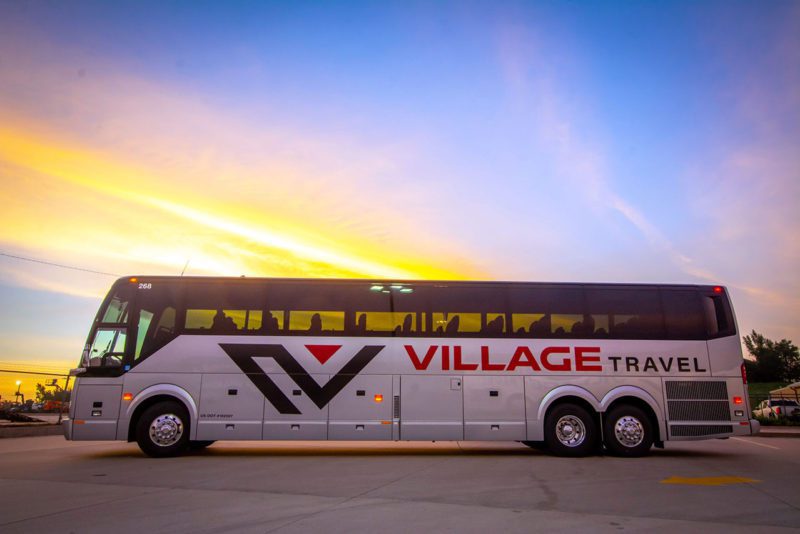
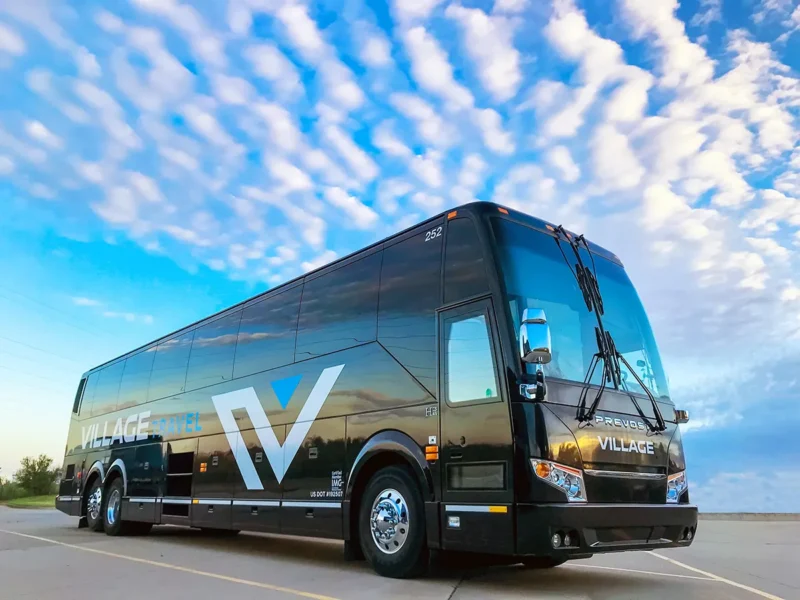
Executive Sleeper Coaches for Disaster Response Crews
Some disaster response situations require workers to remain deployed for long hours or several days. Therefore, rest and recovery time can become an important part of the response plan.
Village Travel may be able to provide Executive Sleeper coaches with seats that recline farther than other seats in the fleet for select emergency response and recovery needs. These vehicles can support crew comfort during long deployments, especially when lodging is limited or response teams need to stay close to the affected area.
Executive Sleeper coaches may be useful for:
- Utility response crews
- Tree companies
- Emergency contractors
- Storm recovery teams
- Long-duration deployments
Availability depends on timing, location, fleet scheduling, and response needs. Because of this, it is best to share as many details as possible when requesting a quote.
Transportation for Severe Weather and Emergency Events
While hurricanes often create the largest transportation needs, other emergency events may also require bus support. For example, organizations may need transportation related to wildfires, tornado relief, flooding, winter storms, or other severe weather events.
Village Travel can help evaluate transportation options for urgent or planned emergency movement. In some cases, this may involve evacuation transportation. In other cases, it may involve moving workers, contractors, or support teams after the event.
Because conditions may change, Village Travel works with organizations to understand the transportation plan, route needs, schedule, and passenger requirements before service begins.
Rapid-Response Transportation Planning
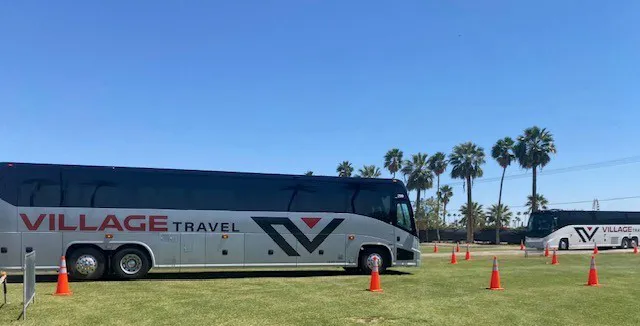
Emergency transportation can be time-sensitive. However, the best response still depends on clear details and practical planning. Village Travel can help organizations review disaster relief transportation needs for evacuations, recovery work, and emergency workforce movement. The more details you can provide early, the easier it is to evaluate options.
Helpful planning details may include:
- Type of emergency or response need
- Service start date
- Expected duration
- Pickup and drop-off locations
- Passenger count
- Number of buses needed
- Staging area locations
- Destination or deployment areas
- Accessibility needs
- Luggage, gear, or equipment needs
- Executive Sleeper needs
- Primary contact for coordination
Additionally, it helps to share whether transportation is needed before, during, or after the emergency event.
Charter Buses, Motorcoaches, and Executive Sleeper Coaches for Emergency Transportation
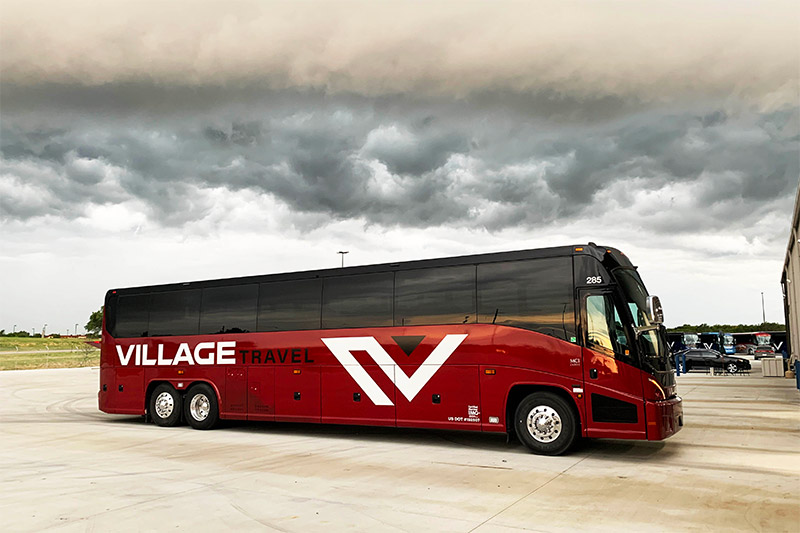
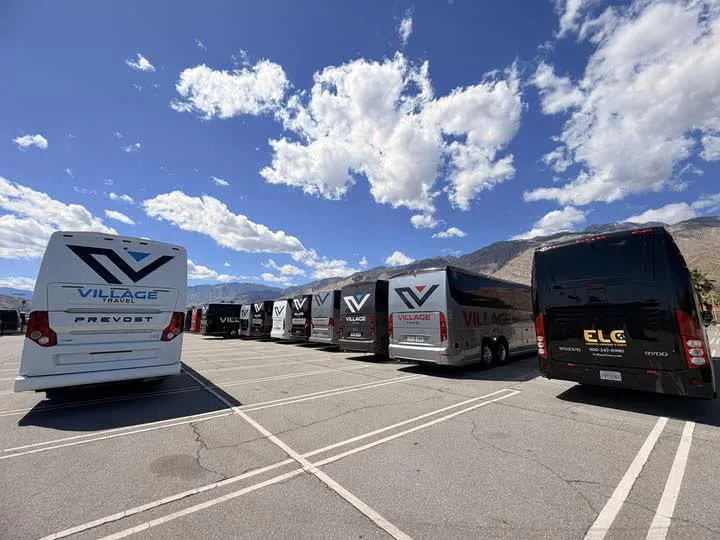
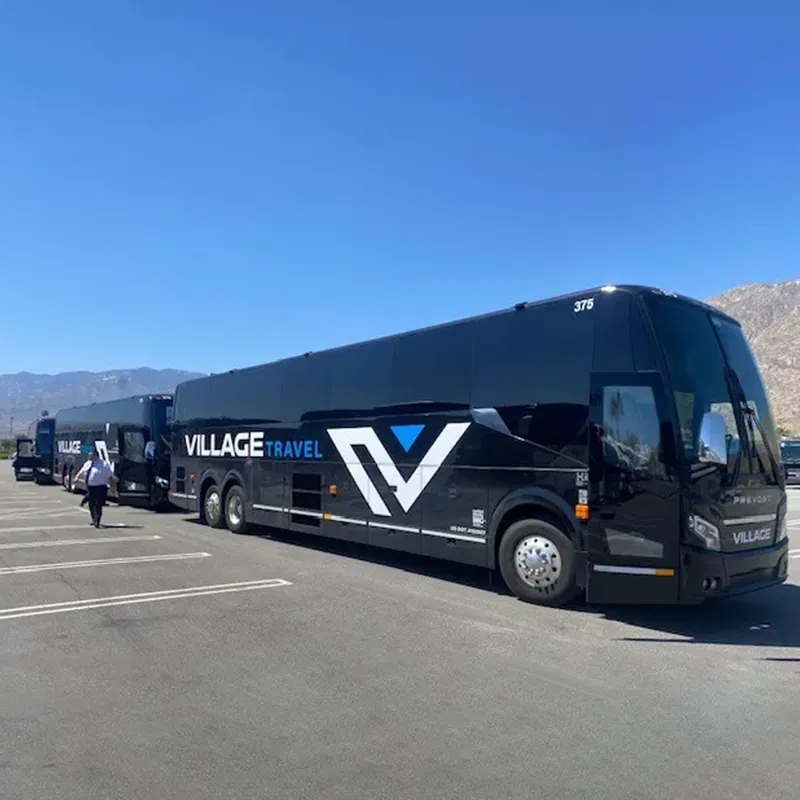
Depending on the situation, Village Travel can help match your transportation needs with the right vehicle options. Full-size motorcoaches can move groups efficiently, while Executive Sleeper coaches may support select long-duration deployments with seats that recline farther than other seats in the fleet.
Amenities vary by vehicle. However, Village Travel motorcoaches may include restroom-equipped coaches, reclining seats, DVD players with monitors, cupholders, luggage storage, overhead storage, reading lights, PA systems, 110-volt plug-ins, seatbelts, and climate-controlled AC/heat.
Some coaches may also include Wi-Fi, easy entry, individual overhead air vents, cordless microphones, Bluetooth stereo, USB plugs, wider seats, armrests, and footrests. You can review more details about available vehicles on Village Travel’s charter bus fleet options.
Why Organizations Choose Village Travel for Disaster Relief Transportation
When organizations need disaster relief transportation, they need more than a bus. They need a team that understands urgency, communication, passenger movement, and dependable service.
Nationwide Event Shuttle Support
Village Travel can support large event shuttle services anywhere in the United States. This makes Village Travel a strong option for events that require transportation beyond a single regional market.
Emergency Transportation Experience
Village Travel can help support transportation for evacuations, storm response, recovery crews, and emergency workforce movement.
Professional Drivers
Village Travel provides professional drivers who understand group transportation, safe operation, and the importance of dependable service in challenging situations.
Support for Response Crews
Utility crews, tree crews, contractors, and emergency workers may need transportation into affected areas. Village Travel can help support those deployment needs.
Practical Planning Support
Disaster response transportation often changes quickly. Therefore, Village Travel works with organizations to understand routes, timing, pickup points, and passenger needs.
Regional and Nationwide Support
Village Travel serves organizations through a regional network of strategically placed locations. In addition, Village Travel may support emergency transportation beyond its core footprint when the schedule and fleet allow.
Executive Sleeper Options
Executive Sleeper coaches, with seats that recline farther than other seats in the fleet, may be available for select response situations where crews need additional rest comfort during extended deployments.
Planning Disaster Relief Transportation
Before requesting a quote, it helps to gather key details. However, your full transportation plan does not need to be final. Village Travel can help you review your emergency transportation needs and identify what information is still needed. This is especially helpful when plans are changing quickly.
Helpful details include:
- Organization or agency name
- Type of emergency or response need
- Service start date
- Expected service duration
- Pickup and drop-off locations
- Estimated passenger count
- Number of routes needed
- Staging area locations
- Shelter, hotel, or workforce housing locations
- Destination or response area
- Accessibility or mobility needs
- Luggage, gear, or equipment requirements
- Executive Sleeper needs
- Primary contact for schedule coordination
For more general planning questions, organizations can also review Village Travel’s charter bus FAQs.
What Happens After You Request a Disaster Relief Transportation Quote?
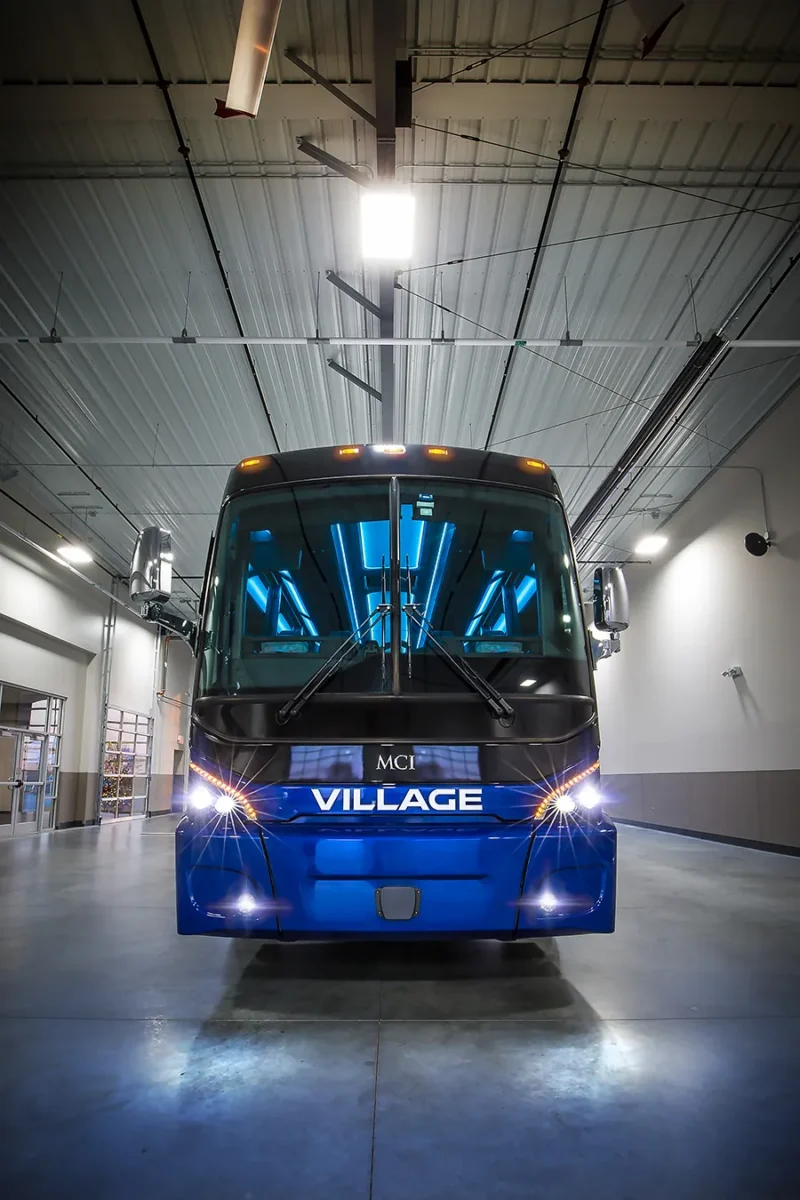
After you submit your request, Village Travel will review your transportation needs and service details. Then, our team will help identify options based on your schedule, location, passenger count, route plan, and fleet availability. We may also follow up to confirm pickup points, drop-off locations, staging areas, route timing, accessibility needs, Executive Sleeper needs, and any special transportation requirements.
Because emergency transportation can be time-sensitive, it is helpful to provide as many details as possible when submitting your request.
Disaster Relief Transportation Across the Region and Beyond
Village Travel provides disaster relief and emergency evacuation transportation through a regional network of strategically placed locations. Together, these locations support emergency transportation across the Midwest and Southeast USA.
Our service footprint includes Arkansas, Colorado, Kansas, Louisiana, Missouri, Oklahoma, Texas, and surrounding regional destinations. This is especially important for hurricane response and post-storm support in areas such as Texas and Louisiana.
In addition, Village Travel may support emergency transportation beyond its core regional footprint depending on the situation, fleet availability, timing, and response needs.
Disaster Relief Transportation FAQs
What is disaster relief transportation?
Disaster relief transportation helps move people, workers, emergency crews, and support teams before or after a natural disaster, severe weather event, evacuation, or recovery operation.
Can Village Travel provide emergency evacuation transportation?
Yes. Village Travel can support emergency evacuation transportation for agencies, organizations, communities, and groups that need charter buses for planned movement, relocation, or evacuation support.
Does Village Travel provide transportation for hurricane response?
Yes. Village Travel can support hurricane transportation before and after storms, including evacuation support, response crew movement, utility crew transportation, and post-storm recovery transportation.
Can Village Travel provide Executive Sleeper coaches for response crews?
Village Travel may be able to provide Executive Sleeper coaches with seats that recline farther than other seats in the fleet for select emergency response or recovery needs. Availability depends on timing, location, fleet scheduling, and response requirements.
What information is needed to request disaster relief transportation?
Helpful details include the service start date, expected duration, pickup and drop-off locations, passenger count, staging areas, destination, accessibility needs, gear requirements, and whether Executive Sleeper coaches are needed.
Ready to Plan Emergency Transportation Support?
Village Travel helps public agencies, private companies, utility providers, relief organizations, and response teams move people during urgent and challenging situations. Tell us when transportation is needed, where passengers need to be picked up, where they need to go, and how many people need transportation. Then, our team will help you review disaster relief transportation options that fit your response plan.